My Prepayment Meter Decides When We're Warm
In some homes the heating doesn't come on when it gets cold. It comes on when there's money on the meter. The thermostat does not decide anything here.
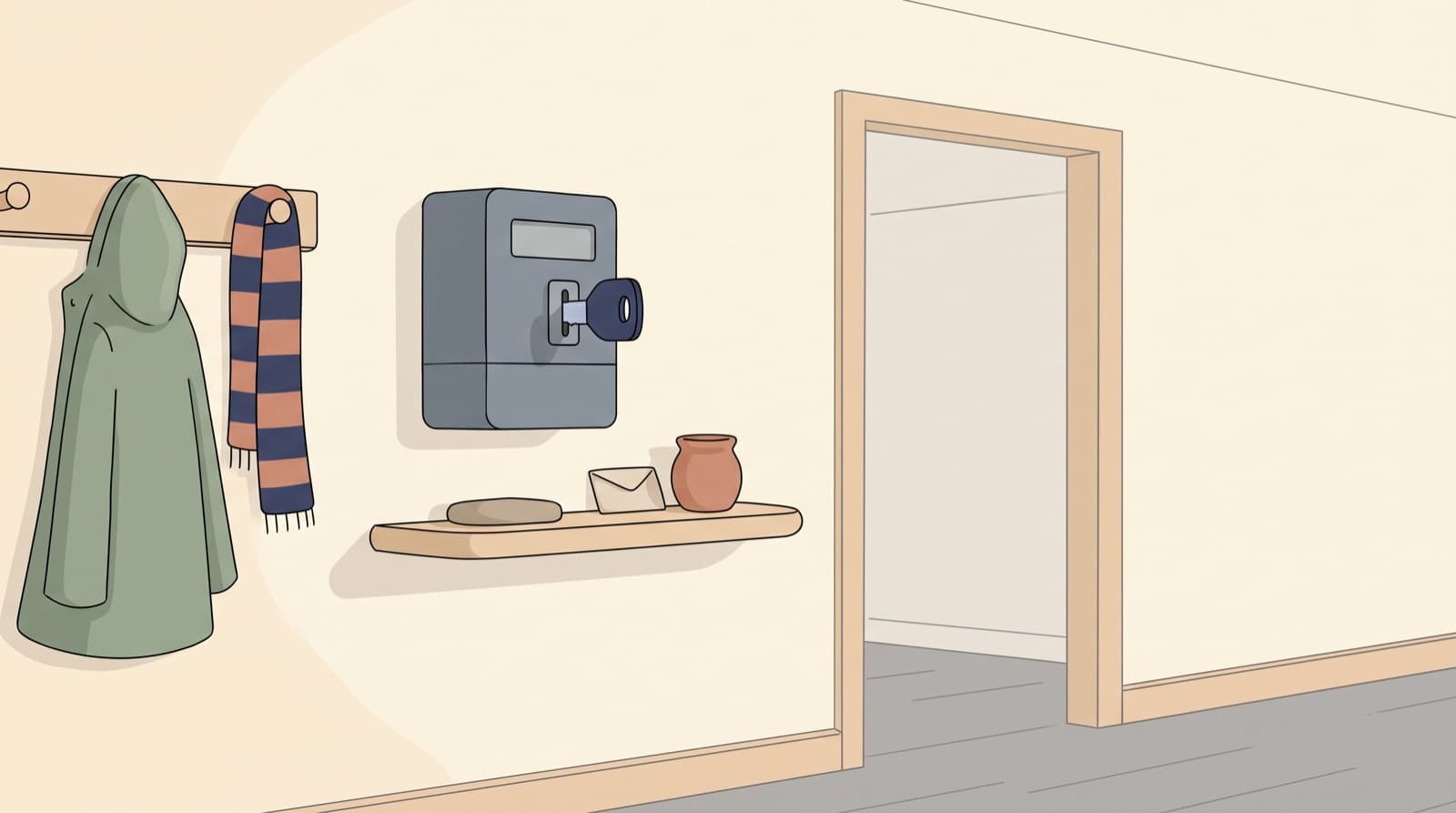
“In most homes, warmth is a background condition. It is just there, like water. In this house, warmth is a purchase, made daily, at the exact moment there is least money to make it.”
It is a Tuesday evening in November, somewhere in the North West of England. I get home a little after five. My children are already inside, still in their coats.
Before I look at the thermostat, I look at the meter. I always look at the meter first.
The same decision as yesterday
The display shows what is left. Not much. Enough for tonight, if the heating stays in one room. Not enough for tonight and tomorrow morning.
So a decision has to be made. The same decision as yesterday. Warmth now, or warmth later.
There are rituals in this house that never get spoken about. The emergency credit, saved like a reserve tank for the week the money runs out completely. Bath night, planned around the balance. Bedroom doors kept shut, to hold the heat in one place. The coats worn indoors that nobody comments on any more.
In most homes, warmth is a background condition. It is just there, like water. In this house, warmth is a purchase. Made daily. In pounds. At the exact moment there is least money to make it.
The thermostat does not decide anything here. The meter does.
I did not choose the meter
It arrived because of what came before.
Three winters ago, I paid for energy the way most people do. A direct debit, once a month, in the background. Then the prices surged. My direct debit roughly doubled. For a while, I covered it. Then one month I could not. Then another.
The letters started. I stopped opening them. Not because I did not care. Because I cared so much it was hard to breathe near them. The balance became a number I stopped looking at. Anyone who has been behind on a bill knows that quiet arithmetic. If I do not look, it is not today's problem.
My supplier's answer to the arrears was prepayment. The debt would be collected through the meter from now on. Pay as you go.
And at first, that sounded almost like relief. No more shock bills. No more letters. You cannot fall further behind if the money leaves before the energy arrives. For about a month, it felt like control.
Then winter came, and I understood what had actually happened. The debt had not been paused. It had not been softened. It had moved into the hallway, and started collecting itself.
What a meter does when it is carrying debt
Part of every top up goes to the arrears before it buys any energy. So I top up, and the meter takes its share first. What is left is what the house gets to spend on being warm.
The same top up buys less heat than it would next door. Every single time.
My arrears stand at £2,673.
Hold that number for a moment. Because this year, the average person coming to the debt charity StepChange with energy arrears owes almost exactly that. £2,673. More than £200 higher than last year.
I am not an extreme case. I am the average.
The average sits inside something much larger
Energy debt in Britain has reached £6 billion. A record. It is on course for £7 billion by the end of the year. In the first six months of 2026, 24,035 people came to StepChange with energy arrears. And 45 per cent of bill payers say they have cut their energy use in the last three months. Quietly. Room by room.
From October, the average bill rises again. £1,723 a year under the new price cap. A 4 per cent rise, arriving exactly as the cold does.
So the pressure is not rare, and it is not personal.
Is the meter itself the problem?
Most people would say yes. Everyone knows prepayment costs more. That is what I believed too. And it is not quite true any more.
For years, prepayment customers paid higher standing charges than everyone else. The poorest households, paying the premium. That has changed. Under the current price cap, the standing charge on a prepayment meter is the same as on a direct debit. The old penalty is gone. The assumption most of us still carry is out of date.
But levelling the charges did not level the experience. Because the real pressure of a prepayment meter was never only the price. It is the structure.
A direct debit spreads a cold January across twelve months. A prepayment meter presents the coldest week's bill in the coldest week, to the households least able to absorb it.
On a direct debit, warmth is bought in the background, smoothed across a year. On a prepayment meter, it is bought by the day, at the moment of least resource.
And when the meter is carrying debt, the arrears eat first. Every top up shrinks before it becomes heat.
The winter it became a scandal
The system has known about this pressure for years. I remember the winter it became a national story. I heard it on the radio while the kettle boiled. Suppliers had been forcing prepayment meters onto people in debt, including people who should never have been near one.
I recognised the story. It was mine, told at national scale.
The rules had to change. Since November 2023, a supplier has to carry out a welfare visit before a meter can be forced in. And for the most vulnerable, it is banned outright. People who rely on medical equipment that needs constant power. People whose mental health would make it unsafe.
Then in May this year, British Gas settled with the regulator over its treatment of prepayment customers. £20 million paid into a redress fund. Up to £70 million of energy debt written off for vulnerable customers.
I read about it on my phone, in the hallway, next to the meter. None of that money was mine. But it told me something I had needed to hear for three years.
The rules changed because the pressure was real. So if a meter has ever decided when your house is warm, hear this clearly. That was never a personal failure. It is what this structure does to the people with the least room in their budget.
What actually changed here
Back in my hallway, nothing dramatic has changed. This is not a story with a rescue at the end. The debt is still there. The meter is still on the wall.
But one thing did change. I found out that the rate the meter collects my debt at was not fixed. Suppliers are required to work with their customers to agree a payment plan they can afford. Repayments can be reviewed. More time can be asked for.
I asked. The rate came down. The top ups started reaching the heating again. The balance falls slowly now, at a pace that leaves room for everything else.
Some nights the house is still colder than I would like. But most nights, the children are warm. For now, that is enough.
One move
If topping up has started competing with the food shop, the rate the meter takes can be reviewed. Asking your supplier is not asking for a favour. It is how the system is supposed to work.
And you do not have to make that call alone. Citizens Advice will help you with it, for free.
Debt on a meter is still debt, and it is still heavy. But it is a number. It is not a verdict on you.
Free, confidential debt help
You don’t need a plan, or your paperwork in order, before you contact any of these. Most people don’t have either.
Citizens Advice
Local and online guidance on debt, benefits and consumer rights.
citizensadvice.org.ukCashflow Confessions is an editorial and educational platform. We do not provide financial advice or debt solutions.
The story behind the story
One considered email when a new story lands, with the context and sources that didn't fit inside the documentary. No marketing, and you can leave whenever you like.