The Balance I Stopped Checking
The app is still on my phone. I just moved it into a folder I never open. The balance is around £47,000, and for a long time, not looking felt easier than knowing.
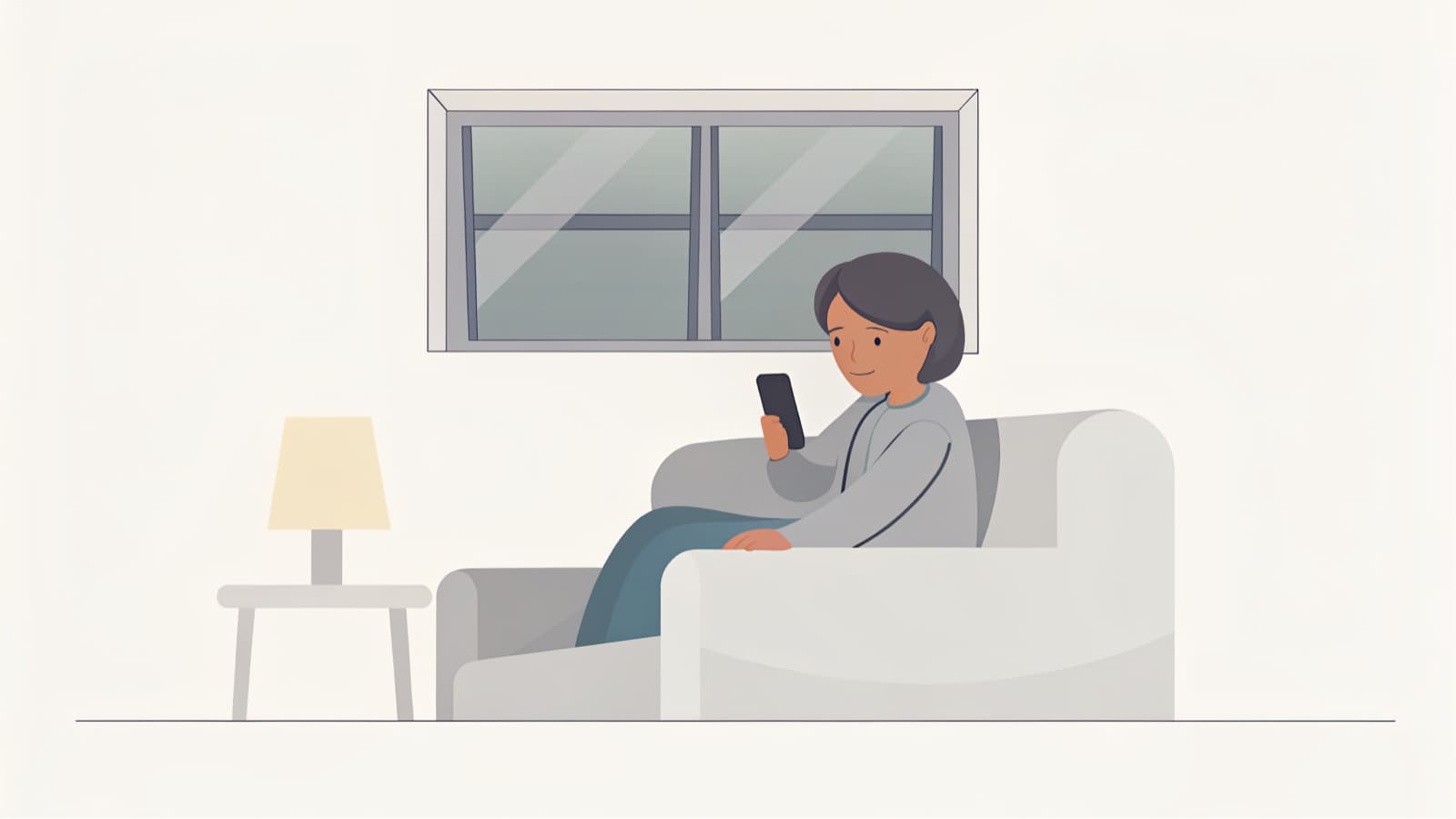
“Opening the app doesn't just show you the balance. It forces a decision, and when you're already overwhelmed, a decision can feel heavier than the debt itself.”
I still go to work. I still answer messages. Most people around me would never know. But every time I see the number, I feel physically anxious, so I stopped looking at it altogether.
It wasn't always like that. At first I checked the app constantly. Morning. Lunch break. Late at night. But somewhere along the way the balance stopped feeling like information and started feeling emotional. Heavy. Almost impossible to face. So the app stayed closed.
How it started
There were no yachts. No unusually expensive lifestyle. It started gradually: a difficult month, a boiler problem, a car repair, Christmas. Then a balance transfer offer arrived, zero percent interest for two years, and that sounded responsible. Move the balance. Reduce the pressure. Create breathing room.
The approval took minutes. No appointment, no paperwork, just a confirmation on a screen and the balance moved across. That's how borrowing works now: faster, less visible, less emotionally real than it used to be. Until a statement arrives, or a promotional rate expires, and then the number becomes very real.
The quiet years
For a while, it worked. The monthly payments looked manageable. Nothing appeared urgent. Then food prices rose, energy bills surged, the rent got heavier, interest rates went up, and my income didn't rise at the same speed. Borrowing quietly filled the gap. A few hundred pounds here. Another few hundred there. Then another transfer fee. Then another card.
Over time the total stopped feeling real. The focus became the monthly payments. As long as the minimum cleared, things felt temporarily manageable. That's the hidden thing about this kind of debt: it grows silently. The card still works. The payment still processes. Nothing visibly breaks, so the seriousness never quite lands.
Once the promotional offers expired, the card was charging around 24.9% interest. On a balance close to £47,000, that's roughly £900 of interest in a single month before the balance meaningfully falls. And because interest arrives quietly, the number starts to feel less like a balance and more like a moving target.
Later keeps moving
I kept telling myself I'd check the app later. After work. After dinner. When I felt calmer, more prepared, more able to deal with it. But later keeps moving.
Because opening the app doesn't just show you the balance. It forces a decision, and when you're already overwhelmed, a decision can feel heavier than the debt itself.
That's the part people miss. Avoidance isn't laziness. It's a coping response, a way of postponing panic. The balance stays still on the screen, but the mind doesn't. It loops through the same thoughts. Minimum payment. Interest. What if something has already been missed. What if next month is worse.
The shame started shaping my routine. I'd say I was busy when I was avoiding calls. I'd say everything was fine when I was barely sleeping. I avoided every conversation about money, because the truth felt too heavy to bring into the room. And that silence was expensive: silence creates delay, delay lets balances grow, and a bigger balance creates more shame. Eventually the loop is harder to break than the debt.
Where things are now
At some point the card stopped feeling like borrowing and started feeling like survival. A bit for groceries. A bit for transport. A bit for things that should have been covered by income, but weren't. Nobody reaches £47,000 by being irresponsible every single day. More often, pressure simply arrives faster than you can absorb it.
The app is still on my phone. I haven't deleted it. But I moved it into a folder I rarely open, behind other things, out of sight. Not a solution. Just one less moment in the day when the number becomes unavoidable.
I know the balance keeps existing whether I look at it or not. I've started looking again, a little at a time. The first thing I did was talk to someone. StepChange offer free, confidential support, and plenty of people contact them before they know exactly what to do next. I was one of them.
Free, confidential debt help
You don’t need a plan, or your paperwork in order, before you contact any of these. Most people don’t have either.
Citizens Advice
Local and online guidance on debt, benefits and consumer rights.
citizensadvice.org.ukCashflow Confessions is an editorial and educational platform. We do not provide financial advice or debt solutions.
The story behind the story
One considered email when a new story lands, with the context and sources that didn't fit inside the documentary. No marketing, and you can leave whenever you like.