How a £200 Coat Quietly Became £4,000 of Debt
The first order was a winter coat, split into three payments of £66. Interest free. Nobody calls that debt. Eighteen months later I owed a little over £4,000, and I could not tell you the day it happened.
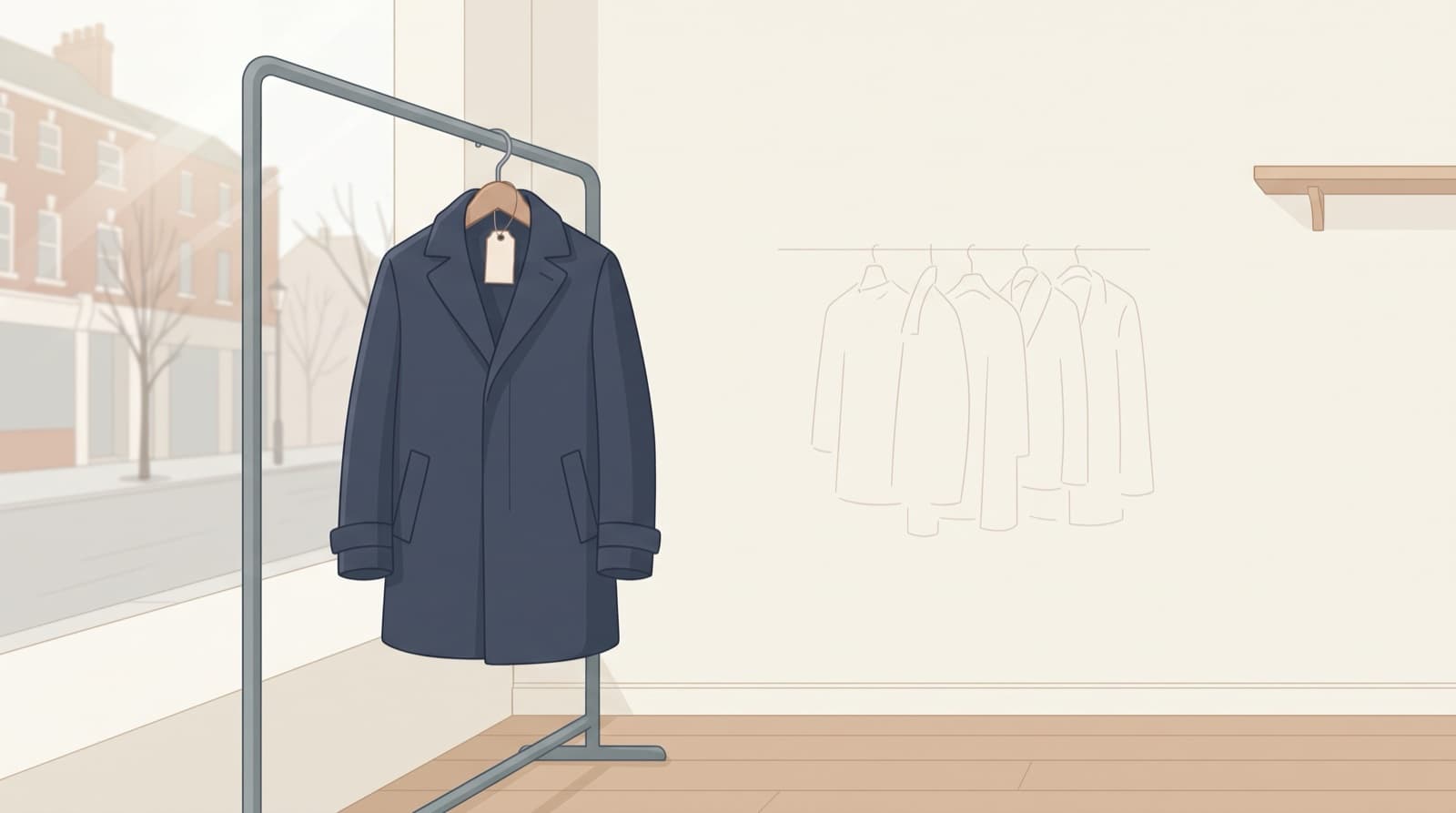
“There was never a day it became £4,000. There were only months, each one slightly heavier than the last.”
The first order was £200. A winter coat, split into three payments of £66. Interest free.
Nobody calls that debt.
The Sunday I tried to work it out
One Sunday evening I sat down at the kitchen table and tried to work it out. Not because a letter had arrived. Not because anything had gone wrong that day. Just a feeling that the small payments leaving my account had stopped making sense.
There was no screen I could open that showed the whole number. So I went app by app.
An order I thought had finished months ago was still running. A dress for a wedding. Trainers. A birthday present for my sister. Two late fees of £5 each that I had never even noticed. And a financing plan I had mentally filed under sorted.
I wrote the numbers on the back of an envelope and added them up. The financing plan alone had just over £3,100 still to pay. The live orders came to another £900. A little over £4,000.
I have a job. I check my banking app. I am careful in every way I can see. Which is exactly why the number felt impossible.
There was no disaster. There was no big purchase I could not explain. So where did it come from?
It came from a coat
Eighteen months earlier I needed a winter coat, and the good one was £200. At the checkout, there was a button. Pay in three. Three payments of £66, a month apart, no interest, no paperwork.
I paid all three on time. It worked.
And that is the part people miss. The first one almost always works. Which is why there is a second one.
The button was under the trainers. It was under the birthday present. It was under the skincare, and the dress, and the thing I nearly didn't buy. Each order cost me between £20 and £60 a month. Each one, on its own, was nothing.
But none of them lived in the same place. My banking app just showed a scatter of small payments going out on different days. Nobody was hiding the total from me. It had simply never been assembled, anywhere, in one place.
Then I moved flat
The sofa and the washing machine came to around £3,200.
By now, instalments were simply how I bought things. The same app offered financing for bigger purchases. A proper credit agreement, repaid monthly over up to two years. This product was different in one important way. It charged interest, at a representative rate of 21.9 per cent.
It did not feel like a loan. It felt like how you buy a sofa now. The interest free habit had quietly walked me into interest bearing debt. Same brand. Same screen. One more monthly payment.
Then the car failed its MOT
Not a disaster. Just an ordinary British bad month, the kind that arrives once or twice a year.
The repair bill landed in the same week as rent and Council Tax. And the instalments, which had always been invisible, suddenly had to queue with everything else. Including the financing payment.
One payment missed. Then another, on a different order.
To be fair, the process was not aggressive. There were reminders. A seven day grace period. Then a late fee of £5 on each order, capped at two fees per order. Small numbers.
But I had six orders running. And the real cost was not the fees. It was the juggling. Which app, which date, which amount, which card.
Nobody was hiding the total from me. It had simply never been assembled, anywhere, in one place.
The numbers say I am not unusual
If this sounds like one person being careless, the numbers say otherwise.
The Financial Conduct Authority runs a survey of how this country actually handles money. It found that in the year to May 2024, one in five UK adults used buy now pay later. That is 10.9 million people. Among adults between 25 and 34, it was three in ten. In 2017, this market was worth around £60 million. By 2024, it was more than £13 billion.
Most people who use it are fine. In that same survey, 86 per cent of UK adults had no outstanding buy now pay later debt at all.
But the regulator found something else. People who use these products are almost twice as likely to be in serious financial distress as everyone else. And 1.1 million adults were carrying £500 or more.
Here is the detail that explains the shame. Only 8 per cent of this spending goes on essentials. Four in ten purchases are lifestyle and beauty. Nearly as many are people treating themselves.
Coats. Birthdays. Small kindnesses to yourself in a country where everything else is getting harder. So when the debt lands, it feels like a verdict on your character. It is not. It is the predictable result of how the product is built.
Because four payments does not feel like borrowing. It feels like scheduling. The language does that work on you. There is no friction at the checkout, and no ledger across the apps. The product is easiest to use in exactly the way that does the damage.
And the same app that offers interest free instalments offers a 21.9 per cent financing plan one screen away. A quiet ladder, from something that does not feel like debt, to something that very much is.
The rules changed, in July
For years, this kind of credit sat outside consumer credit regulation. No required affordability checks. No ombudsman to complain to. No duty to point a struggling customer towards free debt advice.
That changed on the 15th of July 2026. Buy now pay later is now regulated by the Financial Conduct Authority. Lenders must check you can afford to repay before you take out an agreement. Terms must be clear upfront. Pay later borrowing is now reported to credit reference agencies. And when something goes wrong, you can take it to the Financial Ombudsman.
The rules share one honest limit, though. They do not clear an existing £4,000.
One move
Not a spreadsheet. Not a promise to never use the button again.
Tonight, open every app you have, once, and write the whole number down in one place. Not to fix it tonight. Just so the number exists. Because a number on paper can be worked with. A feeling in your chest is much harder to start on.
And if the number frightens you, there is a free next step. StepChange, the UK's leading debt charity, deals with buy now pay later debt every single day, on 0800 138 1111. Calling them costs nothing, and they will not tell you that you were foolish. They will recognise the pattern before you finish describing it.
I still have the envelope. The number on it has started, slowly, to come down.
The coat was never the problem. The invisibility was. And that, at least, ends the moment you write the number down.
Free, confidential debt help
You don’t need a plan, or your paperwork in order, before you contact any of these. Most people don’t have either.
Citizens Advice
Local and online guidance on debt, benefits and consumer rights.
citizensadvice.org.ukCashflow Confessions is an editorial and educational platform. We do not provide financial advice or debt solutions.
The story behind the story
One considered email when a new story lands, with the context and sources that didn't fit inside the documentary. No marketing, and you can leave whenever you like.